
What Is Hikiya? The Option of Moving a House Without Demolishing It
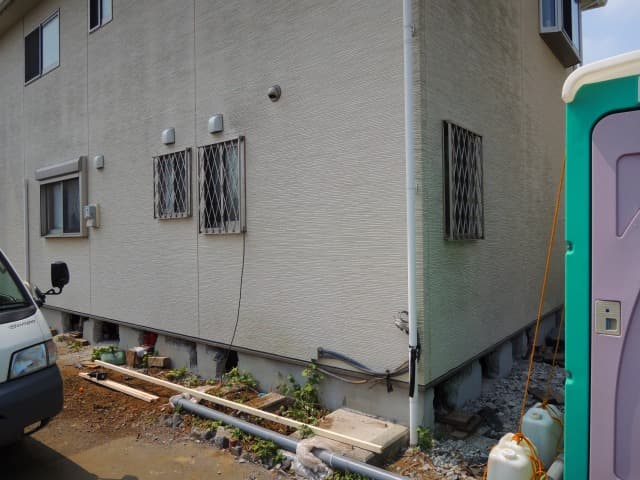
"You can move a house without tearing it down?" — talk of hikiya usually gets a surprised look. It's a traditional method of lifting a building to shift it to a new position or to correct a tilt. You rarely see it today, but under the right conditions it can make far more sense than demolishing and rebuilding. Here's what it involves, from someone who has actually done relocation and settlement-correction work.
Hikiya: moving a building without destroying it
Hikiya separates a building from its foundation, lifts it, and slides it on rails or rollers to a new position. Because the whole house is raised on jacks at once, the structure itself — columns, walls, roof — is left untouched. The biggest difference from demolishing and rebuilding is that you keep the shape and memories of a home you've grown used to. Sometimes it's moved a few meters to the side; sometimes it's rotated, or lifted so the foundation can be rebuilt underneath.
When does hikiya make sense?
Hikiya is chosen when, say, a road widening clips part of your lot, when you want to shift a building slightly because of a boundary, or when ground settlement has left the house tilted. A tilt in particular can't be fixed by a pretty interior alone. Settlement correction and level adjustment — lifting the building and resetting it level — are applications of the same "lift the house" technique as hikiya. Even an older building, if its structure is sound, can be moved and kept in use.
The general flow of the work
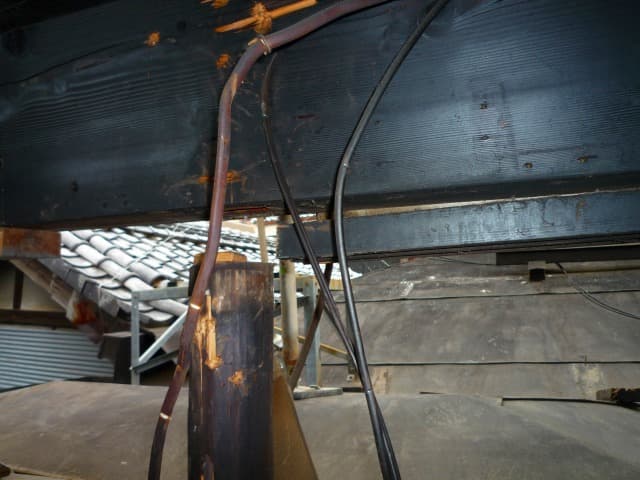
First we examine the building's condition and the ground, and plan where and how to lift. Then jacks and rails are set under the floor, and the building is raised little by little, slowly, keeping it level. If relocation is needed, it's slid to the new position, and finally set precisely onto a new foundation. Because level and alignment are checked at every step, this is work where sequencing and on-site judgment matter most. We've documented a relocation project in six stages.
Compared with demolishing and rebuilding
Hikiya is specialized work and takes effort, but compared with demolishing and rebuilding, its great advantage is keeping a cherished home and good materials as they are. It also produces little waste. On the other hand, if a building is badly deteriorated or has structural problems, rebuilding may suit it better than forcing a move. Which is right depends on the house's condition, so it starts with looking at the site and assessing it. A home you thought had to be torn down may have another path.
At Yoshino Koumuten in Fujimino, we also take on specialty work like building relocation, settlement correction, and level adjustment. If you're troubled by a tilt or the position of your house, let's start by looking at the site — feel free to get in touch.
Related articles
For inquiries about building, renovation, or cutting-board refinishing, feel free to reach out.
Contact us →