
How to Think About Water-Area Renovation — Kitchen, Bath, Basin
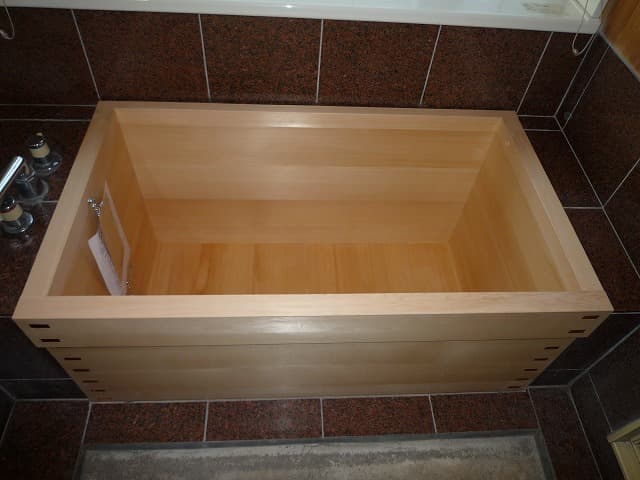
Kitchens, baths, and basins, used every day, are among the quickest places in a home to wear. Even when you sense it might be "about time to replace," it's hard to know what to judge by. As a builder in Fujimino, here are the signs, the process, and points to keep in mind so you don't regret a water-area renovation.
Signs it's time to replace
When to replace a water area can't be judged by dated looks alone. Leaks at the tap or drain, a spongy floor, mold or smells that won't go, weak hot water — such faults can be signs that damage is advancing unseen, under the floor or inside the walls. A leak left alone in particular can rot timber and invite termites, so an early inspection matters.
How far to go "while you're at it"
Water-area renovation often means opening walls and floors to swap fixtures — a good chance to check the state of what was hidden. If aged piping or a damaged base shows up, replacing only the fixtures may bring problems again within a few years. Since you're opening it up anyway, fixing the unseen damage at the same time wastes less in the end. How far to go is decided together, balanced against your budget.
Materials change the comfort
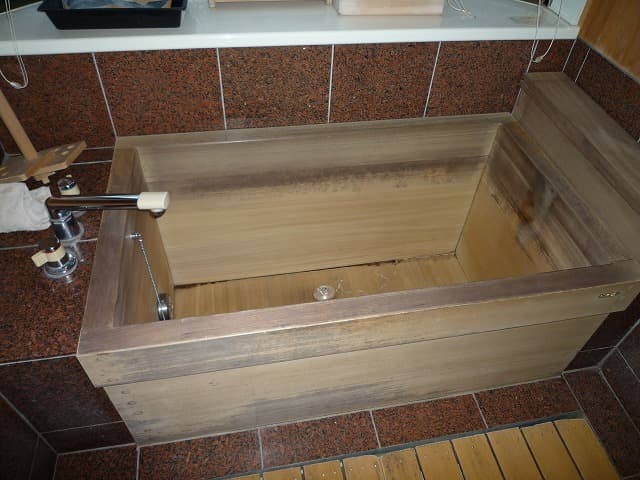
Water areas call for materials strong against water and humidity, but the feel and atmosphere change greatly with the material. Use wood in a bathroom, for instance, and its texture and scent make the daily bath more pleasant. We've brought the goodness of wood into water areas — as in a renovation that made the most of a Kiso hinoki bathtub. We think through the balance of easy cleaning and comfort together, to suit how you live.
At Yoshino Koumuten in Fujimino, we take on kitchen, bath, and basin renovations. We're happy to help even if it's just an inspection of a fault. If something's on your mind, feel free to get in touch.
Related articles
For inquiries about building, renovation, or cutting-board refinishing, feel free to reach out.
Contact us →